The Hemp Fiber Revolution: Why 2026 is the Year of the “Super-Fiber”

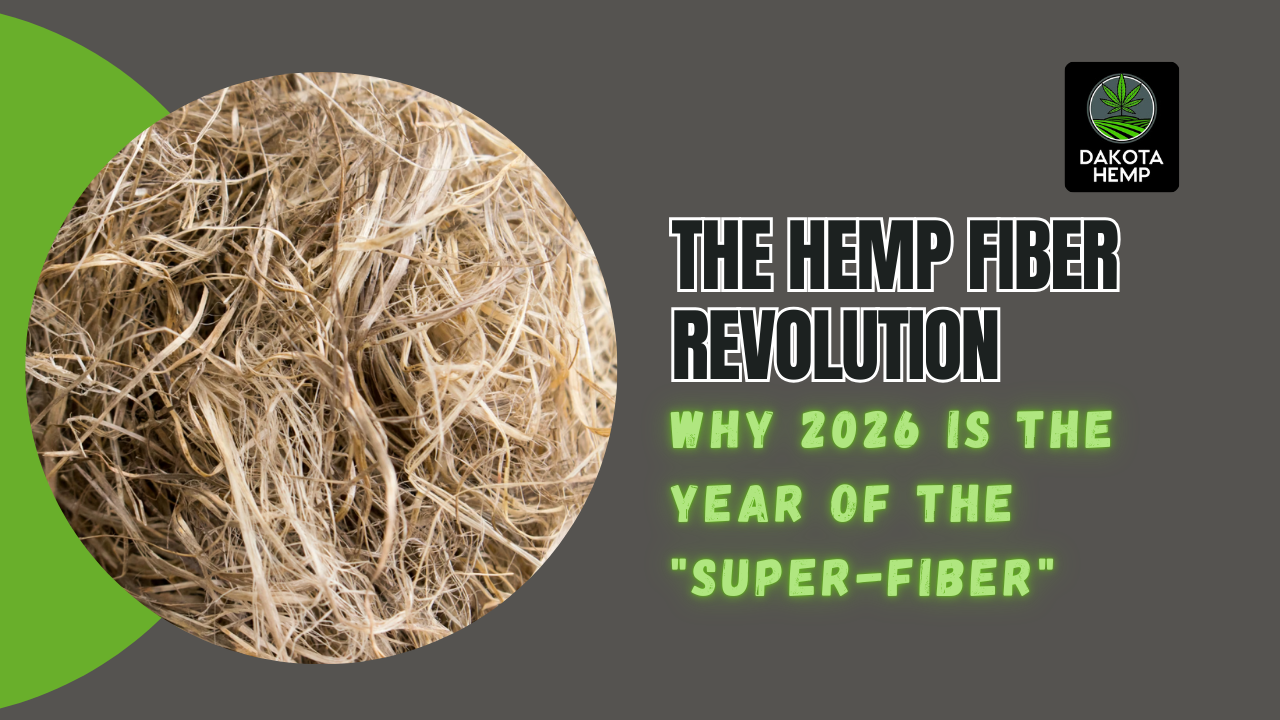
For decades, we’ve relied on synthetic plastics and water-hungry cotton to build our world. But as we step further into 2026, the cracks in that old system are showing. Enter industrial hemp—not as a “hippie” alternative, but as a high-tech powerhouse. We’re talking about a fiber that is stronger than steel by weight, absorbs more carbon than a forest, and is finally hitting the mainstream.
If you’re looking to innovate your business or simply upgrade your lifestyle, the Hemp Fiber from Dakota Hemp is no longer a “maybe”—it’s a must.
1. The Performance Secret: Strength Without the Weight
In the past, “natural” often meant “fragile.” Hemp flips that script. Because hemp fiber has some of the highest tensile strength of any plant on Earth, it’s becoming the go-to for industries that used to rely on fiberglass.
- Automotive Innovation: Major car brands are now using hemp-reinforced bioplastics for door panels and dashboards. Why? Because it’s lighter (improving EV range) and it doesn’t shatter into sharp shards in an accident.
- The New Denim: In the fashion world, 2026 is all about “hemp-blends.” By mixing hemp fiber with organic cotton, brands are creating jeans that last ten years instead of two, all while using 50% less water to grow.
2. “Cottonization”: The Tech That Changed Everything
One of the biggest hurdles for hemp was always its “scratchy” reputation. That changed with a process called Cottonization.
Today, we use advanced enzymatic treatments to soften the rugged industrial hemp strands until they feel as soft as your favorite worn-in t-shirt. This “Super-Fiber” is:
- Naturally Antibacterial: It stays fresh longer, meaning fewer laundry days.
- UV Resistant: It won’t break down or fade in the sun like silk or polyester.
- Thermodynamic: It keeps you cool in the summer heat and traps warmth when the winter wind kicks in.
3. A Win for the Soil, A Win for the Soul
Choosing sustainable materials isn’t just about the end product; it’s about the legacy we leave in the dirt. Hemp is a “regenerative” crop. It breathes in massive amounts of $CO_2$ (about 8 to 15 tons per hectare!) and cleans the soil through a process called phytoremediation. When you buy Hemp Fiber, you’re literally helping to heal the farmland it grew in.
Frequently Asked Questions (FAQ)
Q: Is hemp fiber legal to ship and use?
A: Absolutely. Since the 2018 Farm Bill (and subsequent 2026 updates), Industrial Hemp is treated as a standard agricultural commodity. It contains virtually no THC and is 100% legal for all industrial and commercial uses.
Q: Can I use this fiber for 3D printing?
A: Yes! Hemp-filled filaments are a huge trend in 2026. They provide better “layer adhesion” and a beautiful, organic finish that standard plastic can’t match.
Q: Does it smell like… well, hemp?
A: Once processed, our fiber has a clean, slightly sweet, hay-like scent that disappears completely once it’s spun into fabric or molded into a composite.
Conclusion: Don’t Get Left Behind
The shift toward natural fibers is accelerating. Whether you’re building the next generation of eco-friendly packaging or just want a wardrobe that doesn’t harm the planet, hemp is the answer.
The future isn’t plastic—it’s grown. Browse our premium Hemp Fiber selection and let’s start building something that lasts.