

The Ultimate Guide to Hemp Hurd: Revolutionizing Animal Bedding and Sustainable Construction

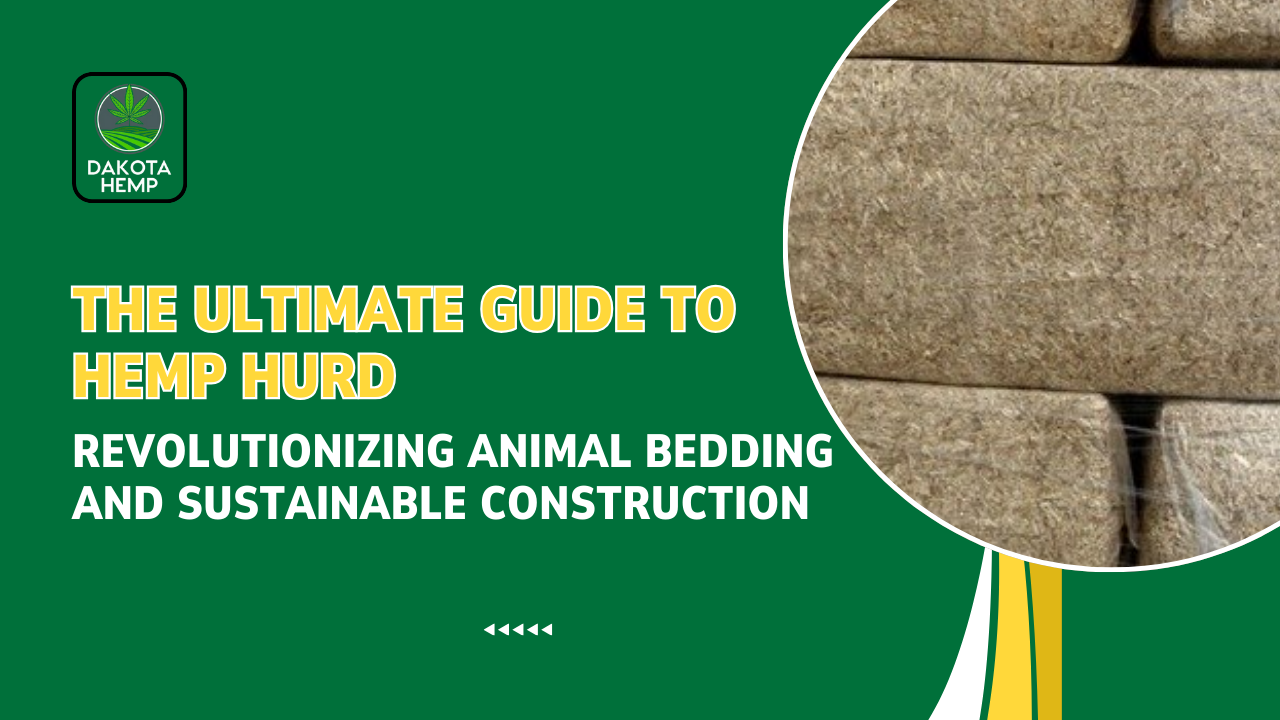
In the constant search for materials that are both planet-friendly and high-performing, one plant is truly standing head and shoulders above the rest industrial hemp.
Specifically, we’re talking about hemp hurd—the woody, inner core of the hemp stalk. Once considered a byproduct, it has emerged as a “miracle material” for two massive industries: livestock management and eco-friendly construction. Whether you’re a poultry enthusiast tired of that nagging coop smell or a builder dreaming of a carbon-negative home, our Hemp Hurd Compressed Bale | Animal Bedding & Hempcrete (2.5 Cu. Ft.) is the gold standard for quality and efficiency.
The Science of Superior Animal Bedding
If you’ve spent years using wood shavings or straw, you know the drill: high dust, soggy floors, and that stinging smell of ammonia. It’s a headache for you and a health risk for your animals. Hemp bedding changes the game entirely thanks to its unique cellular structure.
1. Unmatched Absorption (4x Its Weight)
Think of hemp hurd as a botanical sponge. It can absorb up to four times its own weight in liquid. Unlike wood shavings, which let moisture pool at the bottom, hemp pulls liquid into its inner core, keeping the surface bone-dry. This isn’t just a convenience—it’s critical for preventing “bumblefoot” in chickens and thrush in horses.
2. Ammonia Control and Respiratory Health
Ammonia isn’t just a bad smell; it’s a silent respiratory killer. High levels can cause permanent damage to your animals’ lungs and your own.
- The Trapping Effect: Hemp’s porous nature actually traps the gas molecules responsible for odors.
- 99% Dust-Free: Traditional shavings are notoriously dusty, which can trigger equine asthma (Heaves) in horses. Dakota Hemp’s animal bedding is meticulously screened to be virtually dust-free, ensuring everyone breathes easier.
3. The “Deep Litter” Method
For the chicken keepers out there, hemp is the MVP of the Deep Litter Method. Because it’s rich in carbon and highly absorbent, it breaks down waste slowly. This creates a healthy microbial environment that generates natural heat during those freezing winter months while remaining completely odor-free.
Building the Future with Hempcrete
Step outside the barn, and you’ll find that hemp hurd is also a revolutionary building material. When you mix it with a lime-based binder and water, you get Hempcrete—a biocomposite that is literally changing the face of sustainable architecture.
What Makes Hempcrete Different?
First things first: Hempcrete isn’t a load-bearing “concrete” like you’d use for a sidewalk. It’s an insulating infill packed around a timber or steel frame.
- Carbon-Negative: As hemp grows, it breathes in massive amounts of $CO_2$. That carbon stays locked in your walls for the life of the building. Building a home with hempcrete can actually save over 5 tons of atmospheric carbon!
- Thermal Mass + Insulation: Most insulation (like fiberglass) just stops heat from moving. Hempcrete has “thermal mass,” meaning it stores heat and releases it slowly, keeping your home at a steady, comfortable temperature year-round.
- Breathable Walls: Hempcrete is “vapor-permeable.” It naturally regulates humidity, soaking up moisture when the air is damp and releasing it when it’s dry. This prevents black mold and creates a truly “healthy house.”
Technical Guide: How to Build with Hempcrete
Planning a DIY project or a professional build? Using a high-quality compressed hempcrete bale is the first step, but getting your ratios right is vital.
The Standard Mix Recipe:
- Hemp Hurd: 4 Parts
- Lime Binder: 1 Part
- Water: Roughly 1 to 1.5 parts (add it slowly until the mix is damp but not dripping).
Step-by-Step Application:
- Framing: Set up your load-bearing frame.
- Shuttering: Fix temporary forms (plywood works great) to either side of the frame.
- Mixing: Use a forced-action mixer to ensure the lime binder coats every single piece of hemp hurd.
- Tamping: Hand-place the mix. Lightly “tamp” the edges to avoid air pockets, but don’t over-compress it—you want to keep those insulating air pockets!
- Curing: Remove the forms after 24–48 hours. It’ll take a few weeks to fully “petrify” as it reacts with the air.
Frequently Asked Questions (FAQ)
Q: Is hemp bedding safe for small pets like rabbits or guinea pigs?
A: Absolutely. Unlike cedar or pine, which contain oils that can be toxic to small lungs, hemp is hypoallergenic and totally chemical-free.
Q: Can I use hempcrete for foundations?
A: No. Hempcrete has a low compressive strength (about $1\text{ MPa}$). It’s perfect for walls, floors, and roofs, but not for structural foundations.
Q: Is it really cheaper than wood shavings?
A: At first glance, a Hemp Hurd Compressed Bale (2.5 Cubic Feet) costs more than straw. But because it lasts 2–3 times longer and you use less of it, most owners find they actually save money by the end of the season.
Conclusion: Why Dakota Hemp?
Not all hemp is created equal. The performance of your bedding or build depends on the decortication process—that’s how we separate the fiber from the hurd. At Dakota Hemp, we pride ourselves on providing clean, consistent hurd with minimal “long fiber” contamination.
Ready to see what the hype is about? Experience the world’s most sustainable materials for yourself. Order your Hemp Hurd Compressed Bale | Animal Bedding & Hempcrete (2.5 Cu. Ft.) today and feel the difference in your barn or your home.