

Hempcrete: The Sustainable Construction Material Transforming Industrial Hemp

Hempcrete is a building material made from the inner core, or ‘hurd,’ of the hemp plant, in addition to a lime-based binder. It is a lightweight, carbon-absorbing material with sustainability qualities such as being mold-resistant and having a high breathability and vapor permeability, as opposed to traditional concrete.
As a leading U.S. supplier of hemp fiber and hemp hurd, Dakota Hemp serves manufacturers in the construction and textiles industries with a strong focus on sustainability. If you’re searching for industrial hemp for construction or sustainable hemp materials, hempcrete is a fantastic choice.
Reasons Why Hempcrete Is Gaining Popularity:
Hempcrete is desirable for many reasons, especially in the current industry for hemp:
- Sustainability at Its Core
Hemp is a quickly growing, renewable resource that uses fewer pesticides than other crops. Substituting hempcrete for traditional concrete in construction lowers the environmental impact and carbon footprint.
- Better Insulation
Hempcrete works as a natural insulator and regulates humidity and temperature, resulting in overall lower energy costs for a building.
- Lightweight but Durable
Hempcrete is not load-bearing like concrete, but it has a shock-absorbent quality and, when used in conjunction with timber frames, it promotes architectural longevity.
- Resistant to Mold and Moisture
Hempcrete has a healthy indoor air environment, as the design of the material is breathable, not allowing moisture to condense.
Hemp Uses Outside of Construction
The uses of hemp go beyond its applications in hempcrete and the construction industry. Economic uses of hemp include:
Hemp Fiber Used in Textiles:
Hemp is a strong, durable, and environmentally sustainable fiber used in rope, clothing, and other fabrics. Learn more about the environmental benefits of textiles using hemp fiber instead of traditional cotton. This shows the superiority of hemp over cotton in terms of environmental impact, durability, and overall sustainability.
Hemp Hurd Uses:
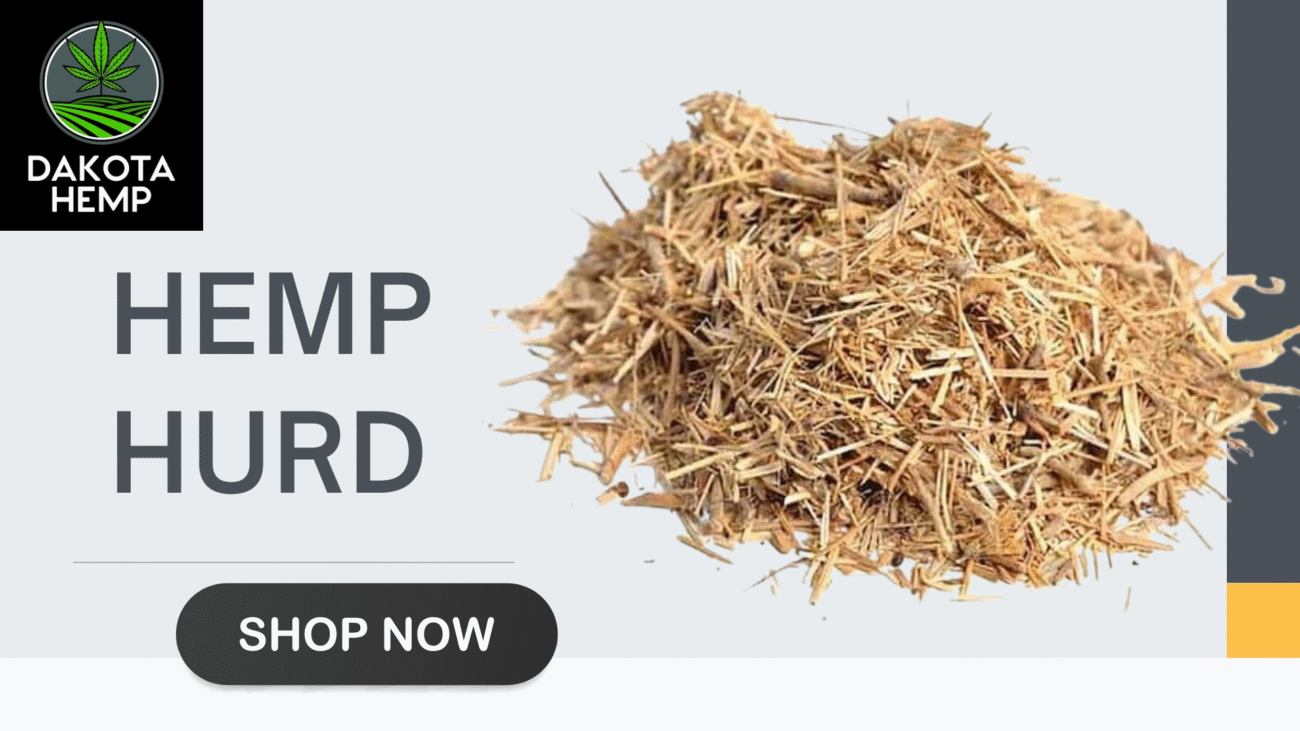
This woody inner core of hemp is great for use in construction for insulation panels, particle boards, and composites.
Other Sustainable Hemp:
Hemp is versatile in its use as a sustainable material, as it can also be applied in such eco-friendly items as biodegradable plastics, paper, and packaging.
The Process to Hemp
Processing hemp requires an understanding of its processing. The processing of the crop includes:
- Cutting of matured stalks
- Separation of hemp hurd from the hemp stalks
- Refinement of fiber to be used in textiles and preparation of hurd for construction materials
The adaptability of hemp allows for its flexibility and can cater to eco-friendly construction (e.g., hempcrete) and to textiles (sustainable use of hemp fiber).
Comparative Analysis of Hempcrete and Concrete
The following highlights the differences between hempcrete and concrete.
Carbon emission
- Insulation
- Weight
- Moisture absorbance
- Sustainability
Hempcrete performs exceedingly well in construction and insulation. While concrete, on the other hand, dominates because of its availability and strength.
Questions and Answers to Hempcrete and Industrial Hemp
Q1: Is hempcrete commercially constructible?
A: Yes, the use of hempcrete in the US is legal and is desirable for insulation and non-loadbearing walls.
Q2: In what other ways is hemp fiber used?
A: In the construction of sustainable textiles, cotton is blended with the durable and breathable hemp yarn.
Q3: Why is hemp hurd used in construction?
A: In construction, it is helpful in insulation and moisture retention and supports carbon-negative.
Q4: In what way does hempcrete enhance eco-friendliness?
A: Hempcrete has the capability to encapsulate carbon dioxide during the cultivation stage, serves the purpose of humidity control, and is also compostable, which aids in minimizing carbon footprint.
Q5: What makes growing hemp for textiles more advantageous than growing cotton?
A: Taking cotton out of the equation because it’s slower growth, more water inefficient, has greater chemical demands, and is generally less sustainable means growing hemp is more favorable.
Conclusion:
Hempcrete is a more passive material, signaling a greater step toward the more eco-friendly applications with industrial hemp. The significant insulation, resistance to the growth of mold, and overall more positive impact on the planet make it a suitable material for innovative and contemporary building projects. Dakota Hemp is also is also a provider of high-quality bulk hemp fiber to those manufacturers looking for dependable, fully hemp-enhanced, sustainable products.
woh I am glad to find this website through google.
Really informative and fantastic complex body part of written content, now that’s user friendly (:.
You describe hempcrete as preventing condensation, but the hurd section also mentions moisture retention. Does it hold moisture within the material while keeping it off the wall surface, or are those different uses of hurd?
Hello Tomoko,
Those are two different uses of hemp hurd. The hempcrete is created by churning water with hemp hurd to allow moisture into the hurd. Next, you add your lime and minerals and continue churning until your desired consistency. The structure will continue to harden and cure 1 inch of depth per week per exposed side. After curing, your structure will have small deposited of air trapped inside a fire resistant/mold free container that will continue to harden over time with carbon. That was a great question!